
Every CPG player will soon have AI. Here is why context, not the model, decides which AI-native RTM platform wins.
The question every CPG leader will soon ask
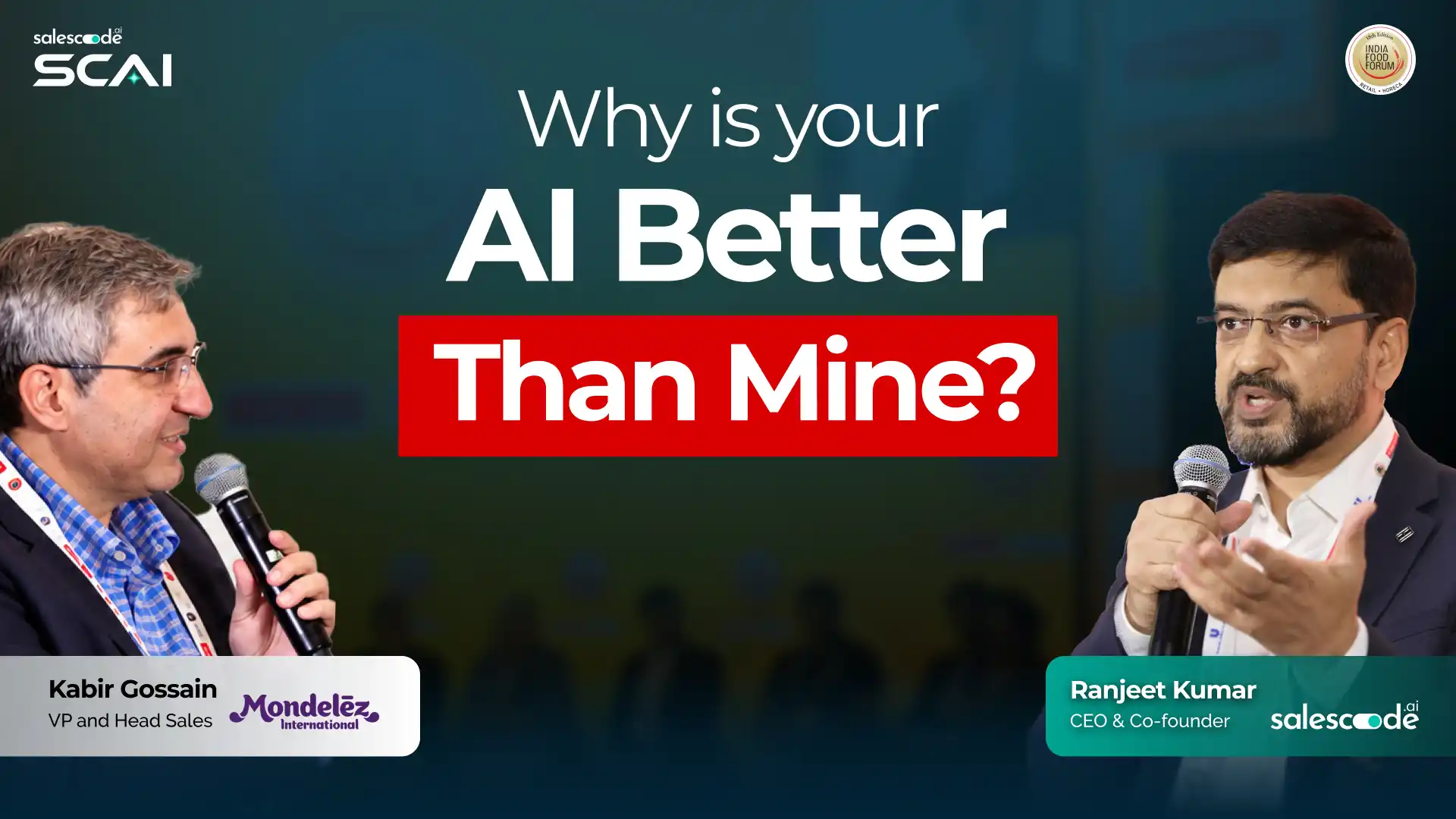
Picture a room full of CPG and FMCG leaders. Many of them sell similar products to the same consumers and shoppers. Every one of them has invested in AI. Then someone asks the question on everyone's mind: "Mera AI tere AI se better kyu nahi hai?" (why isn't my AI better than yours?)
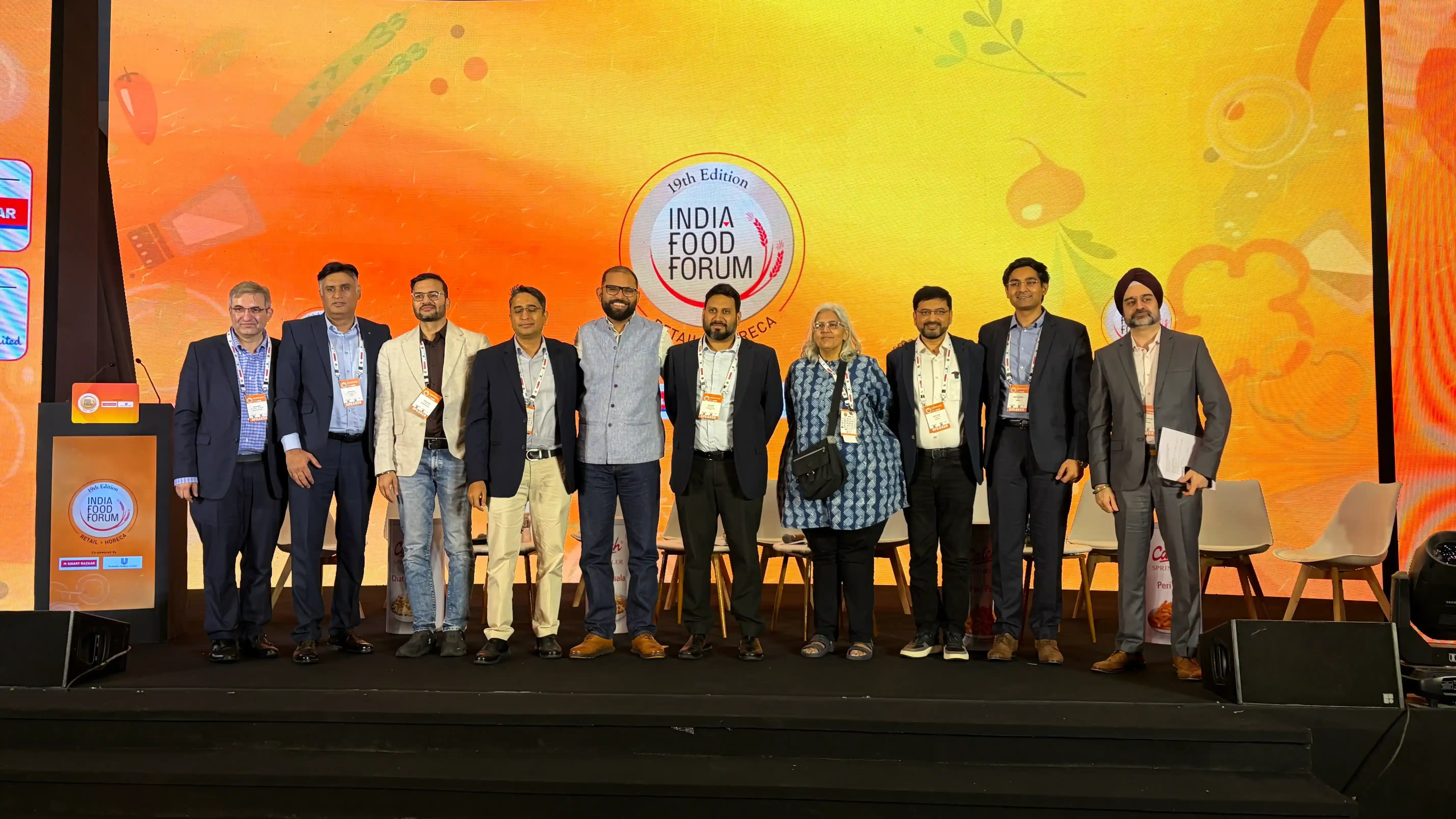
That is exactly what moderator Kabir Gossain put to the panel, and SalesCode.ai answered it head-on. Our answer shows what separates the companies that win with an AI-native RTM platform from those that simply have AI, and where route-to-market (RTM) is heading.
You can watch the full conversation here, or read the key ideas below.
What is an AI-native RTM platform?
An AI-native RTM platform is a route-to-market platform built from the ground up with AI, coded by AI and run on AI. It acts, impacts, operates and creates. Users can talk to it at runtime and have it generate a new customisation, feature or module, rather than waiting for a traditional build cycle.
Same product, same shopper, same AI
For a long time, the question in RTM was whether you had the technology. Increasingly, the question is what you do with it.
When every competitor can access powerful AI, owning AI stops being an advantage. It becomes the baseline. If two companies use similar AI to reach the same shopper, something other than the AI itself has to decide who wins.
Here is what that something is.
AI in isolation doesn't know your business
“AI in isolation has a limitation of not understanding your context.”


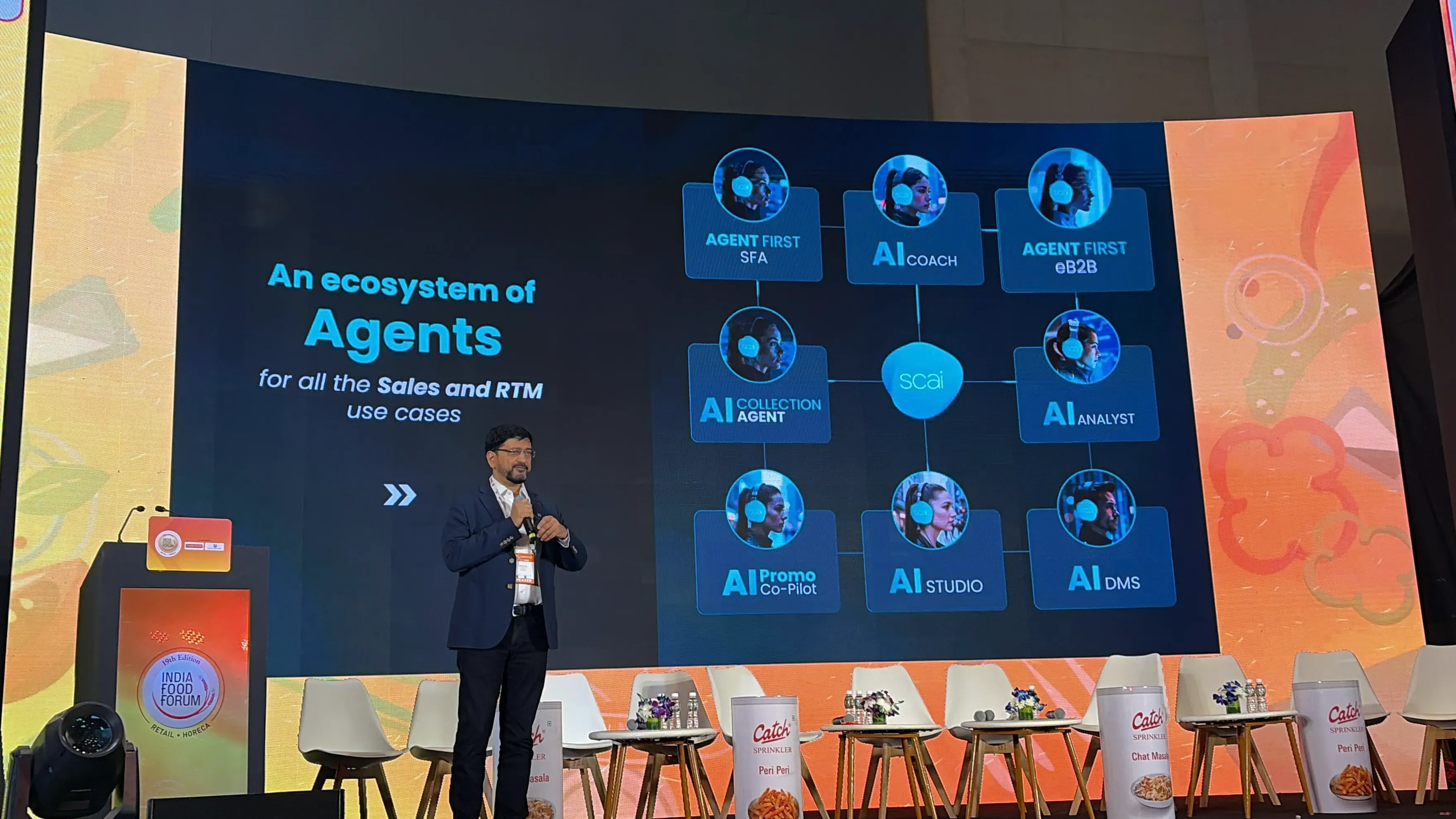
A general-purpose AI model can be impressive, but it starts with no knowledge of your business. It doesn't know how your distributors work, how your outlets buy, how your sales teams plan their beats or how your schemes are structured. It has the intelligence but not the context.
That is why two companies can use the same underlying AI and end up with very different results. The model is not what separates them. What each company builds around it is.
Context is the real differentiator
The companies getting real value from AI are the ones building their own layer on top of it. That layer is made of:
- Their workflows
- Their context
- Their intelligence
- Fine-tuning so the AI works to their process and their impact
This is a very tedious process, and we won't pretend otherwise. It takes time and effort, and it can't be skipped.
But the companies doing it are the ones achieving that magic. That effort is what makes your AI different from mine.
Why the tedious part is the advantage
It is tempting to look for a shortcut, such as buying a tool, switching it on and expecting results. The tedious work is exactly what competitors can't copy overnight. A model can be bought by anyone. Your workflows, your market context and your accumulated process knowledge belong only to you.
In other words, the hard part is the moat.
Expect more from AI than you have so far
Before getting to the differentiation question, there is a point that frames everything else. AI itself has changed, and so we should expect more from it than we have been expecting so far.
At SalesCode.ai, that belief shapes what we build.
What an AI-native RTM platform looks like in practice
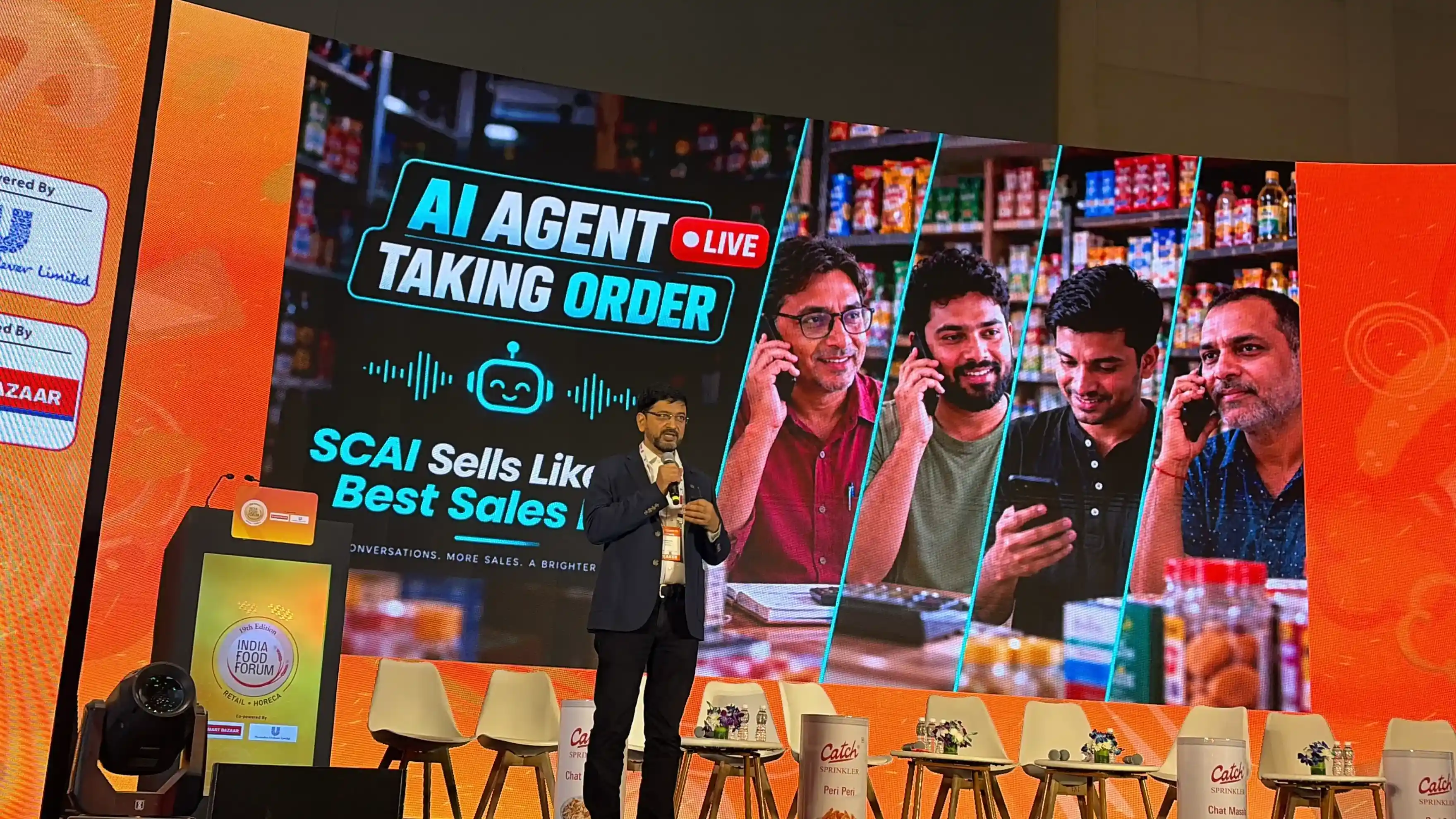
The most concrete example is this. We have created systems where you can talk to the system at runtime and have it generate a new customisation, a new feature or a new module for you.
Think about what that changes. Traditionally, a new requirement meant raising a request, waiting for a build cycle and living with the delay. On an AI-native RTM platform, the conversation itself becomes the way you shape the product. The platform adapts to your business as you use it.
Thirty years of RTM, reinvented in two
Our boldest statement on the panel came next.
“Anything invented in the last 30 years in route-to-market automation and process will be reinvented in the next two years.”
We say this with full responsibility. Our reason is not simply that we work in this space. It is that this is already happening outside, and it is not visible to most people in the room.
That gap between what is happening and what most people can see is the opportunity. There is a huge advantage available to every leader in the room. They can start learning now how to solve their own problems with these systems. We see a huge transformation coming in sales and route to market, beyond what anyone can expect at this point.
What this means for RTM leaders
If context is the differentiator, the useful questions are about your own business, not about which AI tool to choose. A few questions worth asking your team:
- Where does your business context live today, and can an AI actually use it?
- Which of your workflows would you most want AI to run or support?
- Can your platform change at runtime, or does every new need still wait for a build cycle?
- Who owns the process of fine-tuning AI to your way of working?
- Are you expecting from AI what it could do two years ago, or what it can do now?
The answers will show whether you are building an advantage or just adopting a tool.
Key takeaways
- AI has changed, so expect more from it than you have so far
- An AI-native RTM platform is built with AI, coded by AI and run on AI
- Talking to the system at runtime can generate new features and modules
- Everyone will have AI, so the model alone won't set you apart
- Workflows, context and fine-tuning are what make one company's AI better than another's
- SalesCode.ai expects 30 years of RTM automation to be reinvented in the next two


